
LNG / LPG
LNG and LPG are both liquefied gases, but they are different products. LNG is natural gas chilled until it becomes liquid. LPG is propane and butane, liquefied under moderate pressure.
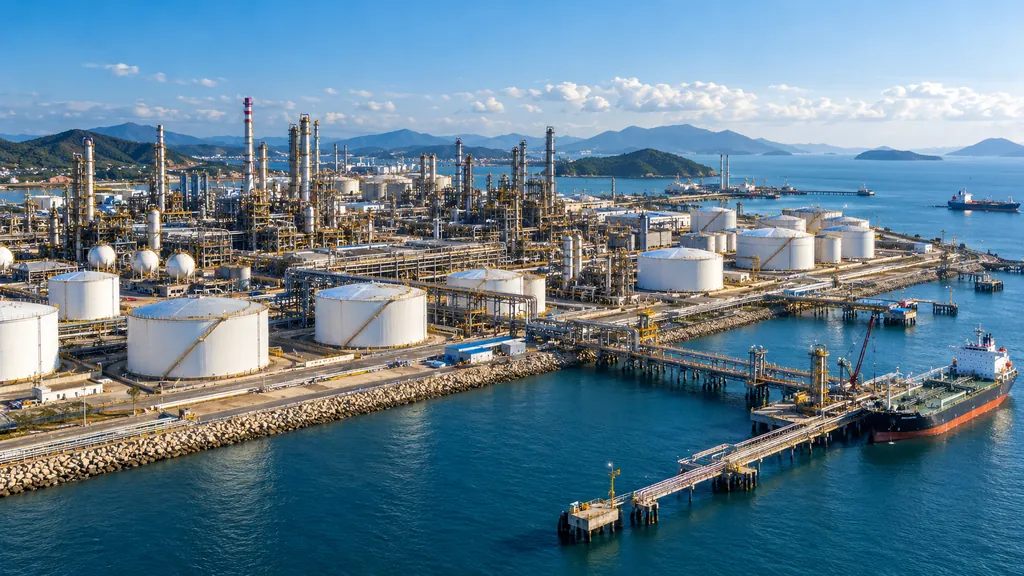
Two gases, two supply chains
LNG is mostly methane, cooled to about −162 °C so that it takes up roughly one six-hundredth of its volume as gas. It can only be delivered to a terminal equipped to receive and regasify it.
LPG comes from gas processing and from refineries. It is used for cooking and heating, as vehicle fuel and as petrochemical feedstock, and can be stored in pressurized tanks at ordinary temperatures.
- Product type
- Liquefied gases
- Sold by
- LNG by energy content, in MMBtu; LPG by the metric ton
- Priced against
- LNG: Henry Hub, JKM, TTF or oil-linked formulas. LPG: Saudi Contract Price, Mont Belvieu
- Typical buyers
- Utilities and gas importers for LNG; distributors and petrochemical plants for LPG
- Carried in
- LNG carriers; refrigerated or pressurized LPG carriers
What buyers specify
| Property | Reference | Why it matters |
|---|---|---|
| LNG composition | Mostly methane, with ethane and small amounts of propane and nitrogen | Decides the heating value and whether the gas suits the buyer's network. |
| LNG heating value | Stated in the contract, with a Wobbe index range | LNG is paid for by energy delivered, not by volume. |
| LNG temperature | About −162 °C at atmospheric pressure | Requires insulated cryogenic tanks on ship and shore. |
| LPG composition | Propane, butane or a stated mix | Propane suits cold climates; butane carries more energy per liter. |
| LPG vapor pressure | Limited by the product standard | Sets the pressure rating needed for storage and cylinders. |
| LPG sulfur and residue | Limited by the product standard | Protects burners, regulators and catalysts. |
Each cargo is sold to the quality specification of the receiving terminal, network or plant, as written into the sales contract.
How each gas is sold
LNG, spot and term
Sold as single cargoes or under multi-year supply agreements.
Commercial propane
Mainly propane. Defined in standards such as ASTM D1835.
Commercial butane
Mainly butane, for warmer climates and for blending.
Autogas
LPG for vehicles, defined in Europe by EN 589.
Storage and shipping
- LNG carriers. Typical ships carry 125,000 to 180,000 cubic meters. Delivery is to a regasification terminal with a compatible berth.
- LPG carriers. Very large gas carriers hold about 84,000 cubic meters. Smaller pressurized ships serve regional trades.
- Delivery terms. LNG is commonly sold FOB or on a delivered ex-ship basis. LPG follows the usual sea terms.
- Measurement. LNG quantity is established by custody transfer measurement on board and converted to energy.
Storage and transport are provided by third-party terminal operators and carriers. We coordinate them. How storage and shipping are arranged
What to send with your enquiry
- Which product: LNG, propane, butane or a mix
- For LNG: annual volume or number of cargoes, and the receiving terminal
- For LPG: quantity in tonnes and how often you need it
- Quality specification of the receiving network or plant
- Destination port or terminal and preferred Incoterm
- Delivery window
Send these details and we will tell you whether we can source the product and on what terms. Price, quantity and specification are fixed in the sales contract.